
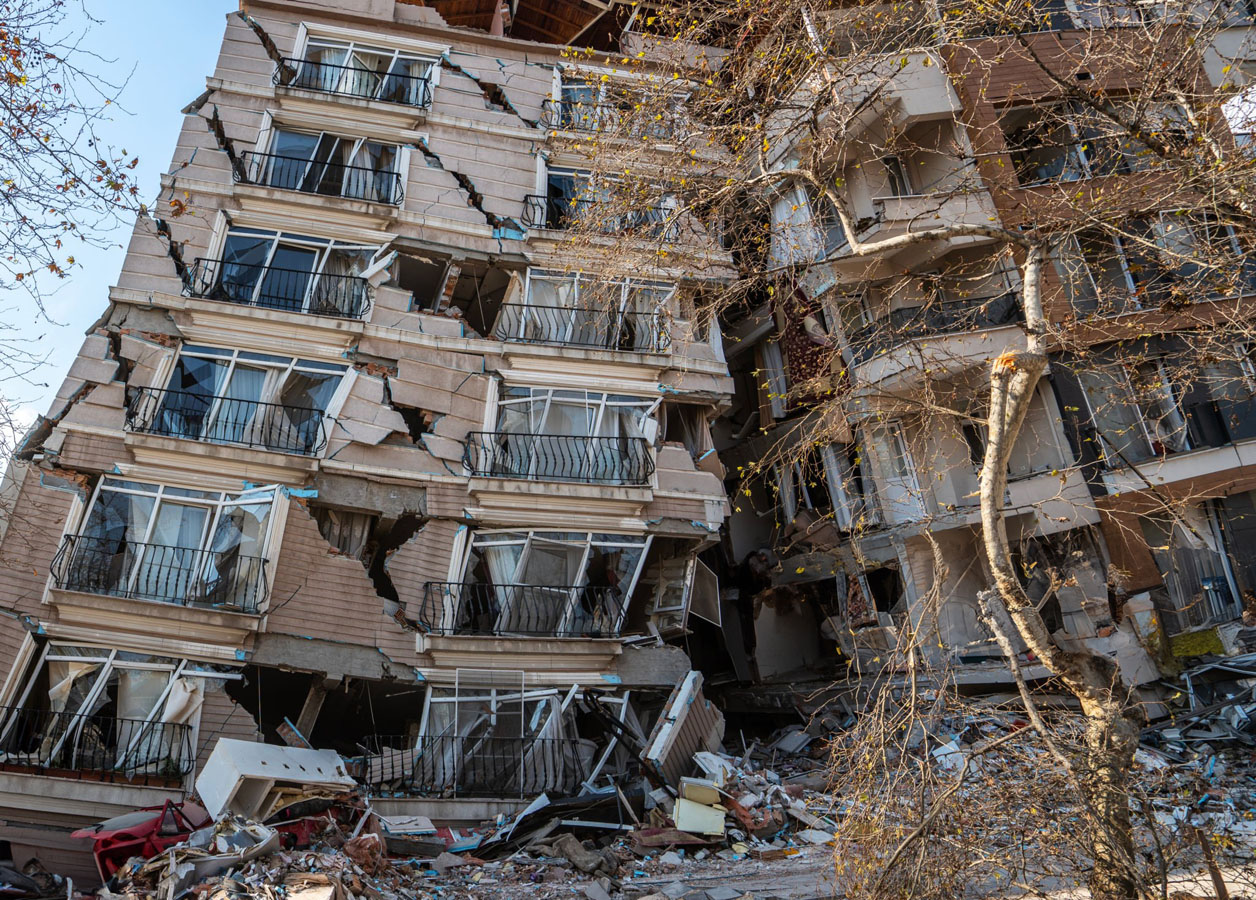
Since Turkey is located on active earthquake zones, earthquakes have become an integral part of life. Major disasters such as the 1999 Marmara Earthquake have once again reminded us how important it is to be prepared for earthquakes. At this point, urban transformation is one of the most important tools to make cities and people's lives safer.
What is Urban Transformation?
Urban transformation is the process of renewing structures that pose a physical and social risk. In this process, it is aimed not only to renew the buildings but also to modernize the infrastructure, social and economic structure. Urban regeneration is implemented to reduce the effects of natural disasters and create sustainable cities, especially in areas with high disaster risk.
Urban transformation projects are primarily implemented in areas with high earthquake risk. These projects, especially in Turkey's major cities, aim to demolish old and less durable buildings and replace them with modern and robust structures that comply with earthquake regulations.
Urban Transformation Process in Turkey
Turkey's urban transformation law entered into force in 2012. This law encourages the demolition of risky buildings and their replacement with earthquake-resistant and modern structures. With the law, local governments have initiated faster and more comprehensive transformation projects in earthquake-prone areas.
The following stages are followed in the urban transformation process:
1. Identification of Risky Buildings: In the first stage, the safety of the buildings in the region against earthquake risk is assessed. As a result of these assessments, buildings that are not earthquake resistant are declared risky and added to the list of buildings that need to be demolished.
2. Project Development: It is determined what kind of structures will be built in place of the buildings planned to be demolished. At this stage, modern, earthquake-resistant buildings with large social areas are planned in line with urban planning principles.
3. Demolition and Reconstruction: Risky buildings are demolished and new buildings are built in their place. In this process, environmental impacts are also taken into consideration and efforts are made to create a greener and more sustainable living space.
4. Infrastructure Development: Urban transformation is not only limited to the renovation of buildings, but also infrastructure services. By modernizing basic services such as electricity, water and natural gas, cities offer a more comfortable life.
Relationship between Earthquake and Urban Transformation
The biggest goal of urban transformation is to build earthquake-resistant cities. In the event of an earthquake, old and flimsy buildings can cause great loss of life and property. In the 1999 Marmara Earthquake, most of the destruction was caused by buildings with low durability. Therefore, urban transformation increases the safety of life and property by eliminating risky buildings and replacing them with new earthquake-resistant buildings.
Urban transformation projects carried out within the scope of measures taken against earthquakes in Turkey both increase the safety of cities and contribute to the creation of modern and livable cities.
Advantages of Urban Transformation
Urban transformation projects are one of the most effective methods to strengthen the physical and social fabric of cities. Especially in areas with high earthquake risk, the realization of these projects is of great importance. Here are some important advantages of urban regeneration:
1. Earthquake Resistant Buildings
The biggest advantage of urban transformation is the construction of new earthquake-resistant buildings to replace old and unstable buildings. Most of the existing building stock in Turkey was built before the 1999 Marmara Earthquake and does not comply with earthquake regulations. Most of these buildings are at risk of collapse in a possible earthquake. Thanks to urban transformation projects, these risky buildings are removed and replaced with safer and more durable buildings.
2. Improvement of Quality of Life
Urban transformation projects not only increase building safety, but also improve quality of life. Newly constructed buildings are equipped with modern technology, energy efficient systems are used and social facilities are expanded. Elements that support social life such as parks, gardens and playgrounds stand out within the scope of urban regeneration projects.
3. Increase in Economic Value
Urban transformation projects increase real estate values in the region. New and modern buildings built in place of old and at risk of collapse increase the attractiveness of the area, leading to an increase in real estate prices. This creates both individual and public economic benefits.
4. Sustainable Cities
Urban transformation projects are also an important step towards creating sustainable cities. Constructing new buildings in an energy-efficient manner, using renewable energy sources and increasing green areas are of great importance for environmental sustainability. In this way, environmentally friendly, less energy-consuming cities are created.
5. Social Solidarity and Social Cohesion
Urban transformation projects also contribute to strengthening the social structure. New projects increase social reinforcement areas, strengthen neighborhood relations and encourage community cohesion. In addition, social housing projects are also implemented for those with low economic status, ensuring that everyone has access to a safer and more modern living space.

Disadvantages and Challenges of Urban Transformation
Although urban regeneration offers significant advantages, it is not without its challenges and disadvantages. Here are some of the main challenges faced by urban regeneration projects:
1. High Costs
Urban transformation projects require very high costs. These costs can impose huge burdens on both the state and individuals. In particular, owners of old buildings may have to bear additional costs to move to new buildings. The costs of urban transformation projects may vary according to the size of the project and the characteristics of the region.
2. Displacement Problems
During urban transformation projects, some individuals may face the risk of displacement. Especially low-income families may find it difficult to afford the cost of living in newly constructed buildings, which may lead to social cohesion problems. In order to minimize such social impacts, it is important for local governments to focus on social housing projects.
3. Long Processes
Urban regeneration projects often involve long and complex processes. The realization of projects can take time due to legal permits, consent of right holders and other bureaucratic procedures. In particular, it can be difficult for right holders to come together and make a joint decision, which can delay the completion of projects.
4. Loss of Historical and Cultural Structures
In some cases, urban transformation projects may result in the demolition of buildings of historical and cultural value. This may negatively affect the identity and historical texture of cities. In urban regeneration projects, it is important to pay attention to the preservation of historical and cultural buildings and to restore and integrate these buildings into new projects.
Urban Transformation Practices in Turkey
Urban regeneration efforts in Turkey are concentrated especially in big cities. In big cities such as Istanbul, Izmir and Ankara, buildings that are not earthquake resistant are being demolished and replaced with modern buildings. Especially in Istanbul, areas such as Zeytinburnu, Fikirtepe and Kadıköy are the areas where urban transformation projects are intensive.
In Izmir, urban transformation projects in areas such as Bayraklı and Karşıyaka aim to build safer buildings against earthquakes. Within the scope of these projects, not only buildings but also infrastructure systems are renewed and the overall quality of life in cities is improved.
The Future of Urban Transformation and Sustainability
In addition to creating earthquake-resilient cities, urban regeneration projects also play an important role with the goal of sustainable urbanization. The future security of cities is closely linked not only to the durability of buildings, but also to environmental, social and economic sustainability.
1. Environmental Sustainability
Today, environmental sustainability has become one of the most important elements of urban planning. Urban transformation projects should also be planned to minimize environmental impacts. In this context, the construction of energy-efficient buildings, the use of renewable energy sources and the introduction of water-saving systems are of great importance.
Increasing Green Spaces: Modern urban regeneration projects should not be limited to the renovation of buildings, but should also increase green spaces in cities. Creating social reinforcement areas such as parks, gardens and walking paths improves the quality of life in cities and contributes to creating a sustainable environment.
Waste Management and Recycling: In urban regeneration projects, recycling the wastes generated during construction and creating a sustainable waste management plan are very important in terms of environmental sustainability. In this way, damage to the environment is minimized and resources are used efficiently.
2. Social Sustainability
Another important element of urban transformation projects is ensuring social sustainability. Observing social cohesion in new projects, preserving the social structure and providing social housing for low-income individuals play an important role in the success of projects.
Increasing Social Participation: Taking the views of large segments of society at the planning stage of urban transformation projects and ensuring their active participation in these projects strengthens social sustainability. In this way, negative impacts such as displacement are minimized and all segments of society benefit from the projects.
Accessible and Affordable Housing: It is important that urban transformation projects are planned to appeal to all segments of society. Ensuring that especially low-income families have access to affordable housing in new buildings is critical for social sustainability.
3. Economic Sustainability
The economic dimension of urban regeneration projects is crucial to ensure the sustainable growth of cities in the long term. These projects create new job opportunities, increase economic vitality and contribute to the increase in real estate values in the region.
Revitalization of the Local Economy: Urban regeneration projects offer new opportunities not only for the construction sector, but also for local tradesmen and the service sector. In this way, the economic potential of the region increases and contributes to the development of cities in the long term.
New Employment Opportunities: Urban transformation projects create many new job opportunities during and after the construction process. They offer a wide range of employment opportunities from the construction sector to architecture and engineering, from infrastructure services to the service sector. Social Impacts of Urban Transformation
Urban transformation projects significantly affect not only the physical environment but also the social structure. For these projects to be successful, social impacts need to be considered and the needs of all segments of society need to be taken into account.
1. Social Justice and Equality
Ensuring social justice is of great importance in urban transformation projects. The inclusion of low-income individuals in new projects helps to maintain the social balance in the city. Therefore, projects should be planned to meet the need for social housing.
2. Social Solidarity
Urban transformation projects should be planned to increase neighborhood relations and social solidarity. Increasing social reinforcement areas in new projects is among the elements that keep society together and enable people to interact with each other more. Parks, social facilities and communal areas are part of this process.
3. Protection of Cultural Heritage
One of the biggest challenges faced in urban regeneration projects is the protection of historical and cultural heritage. The demolition of historic buildings that form the identity of cities is one of the most frequently discussed issues during urban regeneration projects. Restoring such buildings and integrating them into new projects ensures a sustainable transformation while preserving the historical texture of cities.
The Future of Urban Transformation: Innovative Solutions
Urban transformation projects will take important steps towards creating sustainable cities with more innovative solutions in the future. Smart cities, increased use of renewable energy and technological solutions will be among the key elements of these projects in the future.
Smart Cities and Technological Innovations
Smart cities are cities that integrate information and communication technologies, prioritize environmental sustainability and aim to improve quality of life. By using smart city solutions in urban transformation projects, energy efficiency can be increased, transportation systems can be optimized and environmental impacts can be minimized.
Use of Renewable Energy Sources
The use of renewable energy sources will also play an important role in new buildings constructed within the scope of urban transformation projects. Solar panels, wind turbines and energy-saving systems will be among the main methods to meet the energy needs of buildings.
Urban transformation is a multifaceted process that not only protects cities against earthquakes, but also aims to ensure social, economic and environmental sustainability. In earthquake-prone countries such as Turkey, the realization of such projects has become a great necessity. In the future, projects supported by innovative and environmentally friendly technologies will play a vital role in creating safer, livable and sustainable cities. However, in this process, ensuring social justice, preserving cultural heritage and social cohesion should not be overlooked.