
Solar energy stands out as one of the most abundant and widely available renewable energy sources. With sunlight reaching the Earth’s surface at an astonishing rate, solar power has the potential to meet global energy demands many times over. This free and inexhaustible source of energy can be harnessed through various technologies such as passive solar, active solar, photovoltaic (PV), and concentrating solar power systems. The rapid advancements in technology and decreasing costs have spurred tremendous growth and investment in solar energy, with photovoltaic technologies emerging as one of the fastest-growing sectors globally. Not only does solar energy play a critical role in addressing climate change, but it also holds significant promise in regions lacking access to electricity, especially in developing countries and rural areas.
1. Solar Energy and Marine Restoration
Marine ecosystems, which regulate climate, produce oxygen, and support a wide array of biodiversity, are increasingly threatened by pollution, climate change, overfishing, and habitat destruction. The sustainability of these ecosystems is crucial for human life, and their restoration is vital for maintaining balance in natural processes. Traditional marine restoration methods often come with high costs and technical challenges, and they sometimes lack energy resources or fail to engage public participation. A groundbreaking approach utilizing autonomous robots powered by solar energy, equipped with artificial intelligence and machine learning, has emerged as a viable solution to these challenges. These solar-powered robots could help combat issues such as microplastics in the ocean and the blockage of sunlight that hinders marine life. This essay delves into the application of solar energy technologies to power these robots, exploring how solar energy can reduce the ecological footprint while aiding in marine restoration and sea cleanup efforts.
1.1. Overview of Solar Energy Technologies
Solar energy technologies offer a sustainable and eco-friendly alternative to fossil fuels and have a wide range of applications in marine restoration and sea cleanup projects. Solar energy can be divided into two primary categories: photothermal and photovoltaic technologies. Photothermal technologies capture sunlight and convert it into heat, which can be used directly or converted into mechanical energy to produce electricity. These systems vary in scale, with low-temperature technologies heating fluids up to 100 °C, medium-temperature technologies heating fluids to around 350 °C, and high-temperature systems exceeding 400 °C.
Photovoltaic technologies, on the other hand, convert sunlight directly into electricity using semiconductor materials. There are numerous photovoltaic technologies deployed both on land and at sea, with floating photovoltaics becoming increasingly popular in large water bodies like lakes and oceans. This essay explores the potential of solar energy technologies for powering marine restoration initiatives, focusing on ground- and building-mounted photovoltaics, as well as solar photothermal systems. These sustainable energy sources have the potential to power autonomous robots and systems, reducing reliance on fossil fuels and minimizing the ecological footprint of marine restoration efforts.
1.2. Importance of Marine Restoration and Sea Cleanup
Marine ecosystems have been integral to human life since ancient times, providing food, transportation, and numerous resources. Unfortunately, human activities have caused significant damage to these ecosystems, leading to pollution, habitat destruction, and the depletion of marine resources. The ocean covers over 70% of the planet’s surface and supports nearly 230,000 known species. It plays a crucial role in regulating the global climate, producing oxygen, and sequestering carbon dioxide. Yet, pollution, overfishing, and other human activities have pushed many marine ecosystems to the brink of collapse.
Currently, approximately 30% of marine ecosystems are at risk of collapse, and 60% of the world’s largest marine ecosystems have been reported as being beyond safe ecological limits. Coral reefs, which are among the most diverse ecosystems on the planet, have been particularly affected, with 50% already lost to human activities. Without intervention, the populations of vertebrate fish species in the open ocean are projected to decline to just 10% of their pre-industrial levels by 2100.
While the situation is dire, there is still hope. Advances in technology, including low-cost autonomous platforms and sensors, allow scientists to monitor and map ecosystems on a global scale, selecting the most critical areas for intervention. Public awareness and political commitments have also increased, prompting governments and organizations to take action in protecting the oceans. However, some challenges, such as plastic pollution, will be difficult to overcome without more innovative solutions.
2. Challenges in Marine Restoration and Sea Cleanup Efforts
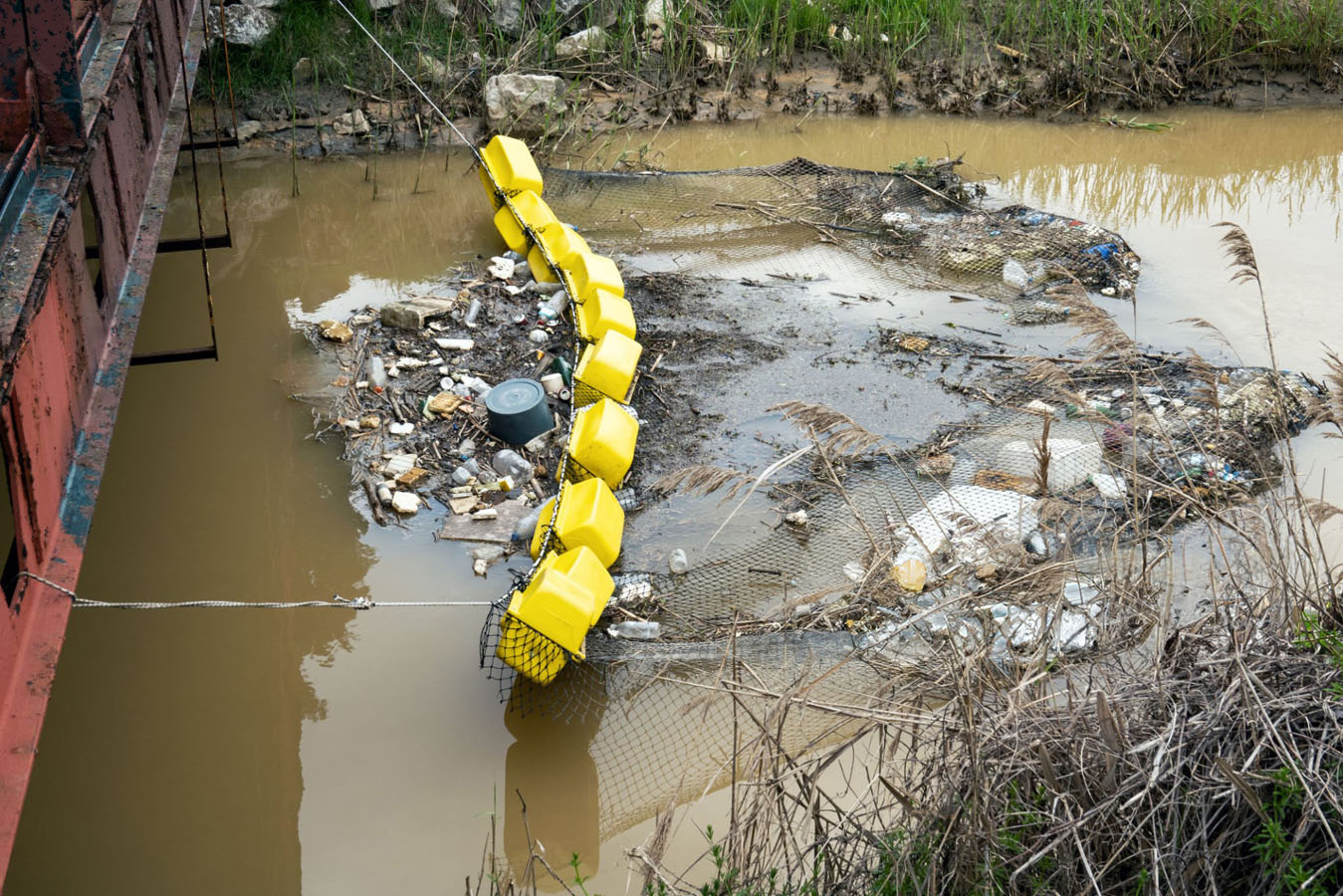
Despite the increased attention on marine restoration and cleanup efforts, several challenges hinder the rapid implementation of projects aimed at addressing marine pollution and restoring damaged ecosystems. One of the most significant challenges is the persistent presence of plastic in the oceans. Plastic pollution poses direct threats to marine life, and its slow degradation has resulted in pollution that spans thousands of kilometers across the ocean's surface and depths.
Marine restoration projects often have varying objectives. Some focus on rebuilding habitats for marine life, while others aim to enhance population densities or address specific pollution problems. The technical feasibility of these projects depends on factors such as the characteristics of the habitat, ocean currents, and proximity to shore, all of which can significantly impact the cost of deployment. Many projects are localized, but the broader ecosystem impacts may take years to materialize, as marine habitats are complex and difficult to restore on a small scale.
2.1. Environmental Impacts of Marine Pollution
Marine pollution has far-reaching and long-lasting effects on marine habitats and ecosystems. Coral reefs and seagrass beds, which are critical for marine biodiversity, are among the most vulnerable to pollution. These habitats not only provide shelter and nursery grounds for many marine species, but they also act as natural barriers that protect coastal areas from flooding and erosion. When these habitats are degraded, the surrounding ecosystems, fisheries, and even coastal human populations are put at risk.
Pollutants such as sediments, nutrients, toxins, and microplastics enter the ocean from rivers, atmospheric deposition, and ocean currents. These pollutants accumulate in the water, sediments, and marine life, causing chronic, global, and often irreversible damage to marine ecosystems. Heavy metals, fertilizers, and even seemingly harmless pollutants can disrupt the development and fitness of marine species, leading to biodiversity loss and affecting human health as toxins accumulate in seafood.
2.2. Technological Limitations in Cleanup Processes
Efforts to clean up marine pollution face significant technical challenges, especially when dealing with persistent pollutants like plastics, oil spills, and toxic chemicals. Plastic debris, estimated at over 1.6 million tons and 5.2 trillion particles in ocean waters globally, continues to accumulate, with projections indicating that these numbers will quadruple within the next decade if no action is taken. Other pollutants, such as DDT, PCBs, and heavy metals, remain in the environment for decades, further complicating cleanup efforts.
The removal of pollutants from the marine environment is challenging due to the scale of the problem and the limitations of current technologies. Many cleanup efforts focus on localized areas, but the vastness of the ocean, combined with the mobility of pollutants, means that large-scale solutions are necessary. Autonomous robots and drones powered by solar energy offer a promising solution, allowing for continuous, widespread cleanup efforts that can be scaled up over time.

3. Integration of Solar Energy in Marine Restoration
The integration of solar energy into marine restoration efforts offers a sustainable and scalable solution to the growing environmental crisis facing marine ecosystems. Solar energy is abundant, especially in marine environments, where it can be harnessed to power autonomous robots, drones, and other technologies designed to restore and protect marine habitats. Harnessing this renewable energy source not only reduces the reliance on fossil fuels but also allows for long-term, continuous operations in the remote and vast areas of the ocean where restoration efforts are most needed. Additionally, solar energy-powered systems can help reduce the overall carbon footprint associated with marine restoration projects, making these efforts both ecologically and economically sustainable.
3.1. Advantages of Solar Energy in Marine Applications
Solar energy presents several advantages for marine restoration applications. First and foremost, it is a clean and renewable energy source, meaning it does not contribute to greenhouse gas emissions or air pollution. This is particularly important in marine environments, where ecosystems are already under significant stress from climate change and human activity. Additionally, solar energy systems are highly scalable, making them suitable for both small and large-scale restoration efforts. Solar panels can be installed on floating platforms, buoys, or even integrated into autonomous vehicles, providing a continuous power supply without the need for frequent refueling or maintenance.
Another significant advantage of solar energy in marine applications is its availability. Oceans receive a vast amount of sunlight, and this energy can be harnessed almost anywhere, providing a reliable and consistent source of power for restoration projects. Solar energy systems are also highly versatile and can be adapted to a wide range of marine applications, from powering autonomous robots that collect plastic waste to supporting habitat restoration efforts such as coral reef restoration or seagrass bed recovery.
3.2. Case Studies of Solar-Powered Marine Restoration Projects
Several successful case studies demonstrate the potential of solar energy in marine restoration. For example, the AquaSolar project in Abu Dhabi has successfully utilized solar-powered systems to enhance the survival rates of transplanted corals. The project uses solar photovoltaic systems to power life support systems for coral nurseries, including water aeration and temperature regulation units. These solar-powered systems have significantly improved coral survival rates, making the project a model for future marine restoration efforts.
In another case, solar-powered floating platforms have been used to support the restoration of seagrass meadows in coastal areas. These platforms, equipped with solar panels, provide the energy needed to power underwater cameras, sensors, and pumps that help monitor and maintain the health of the seagrass beds. The use of solar energy in these projects has not only reduced the cost of restoration efforts but also minimized the environmental impact of the restoration process itself.
4. Innovative Technologies for Solar Powered Marine Cleaning
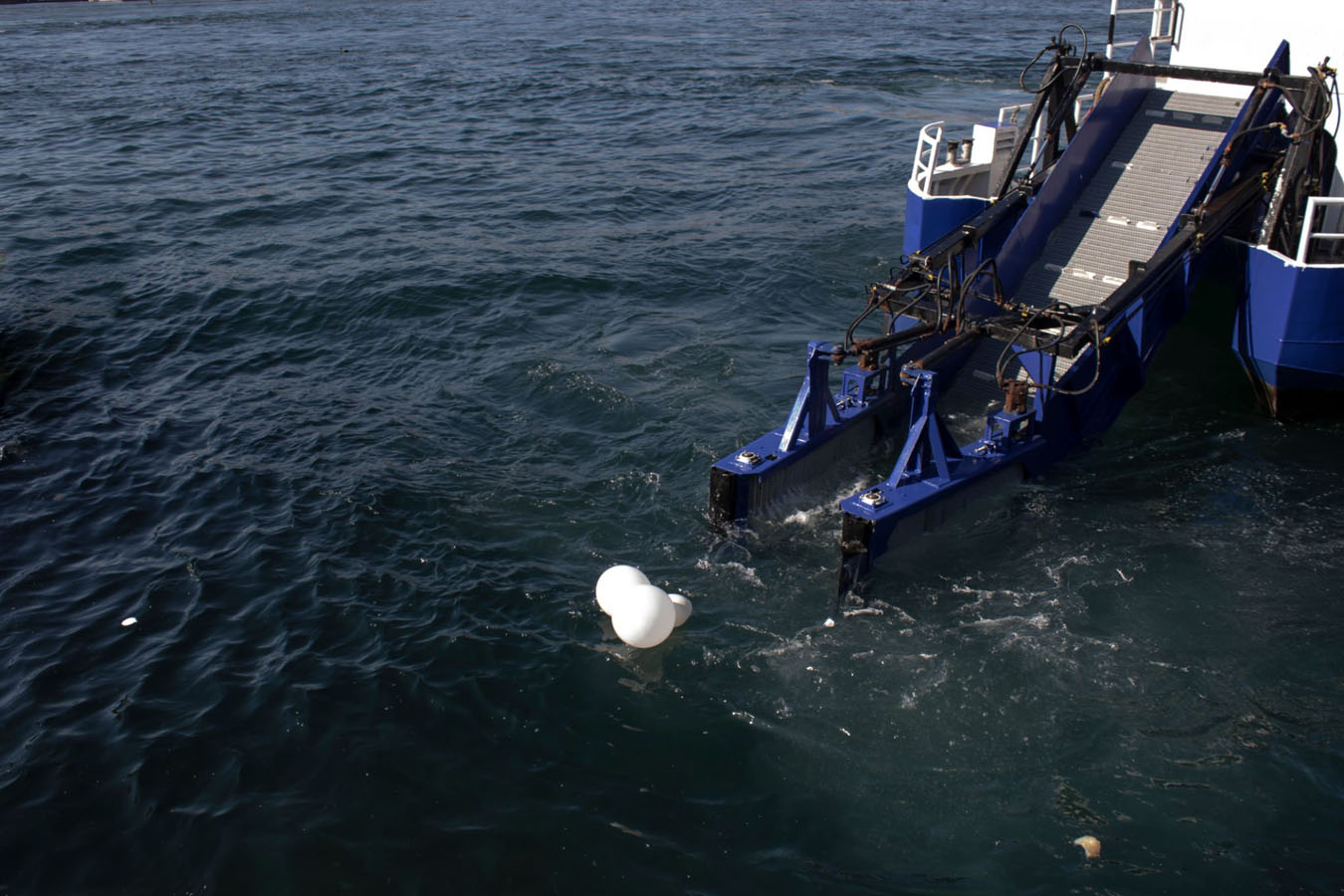
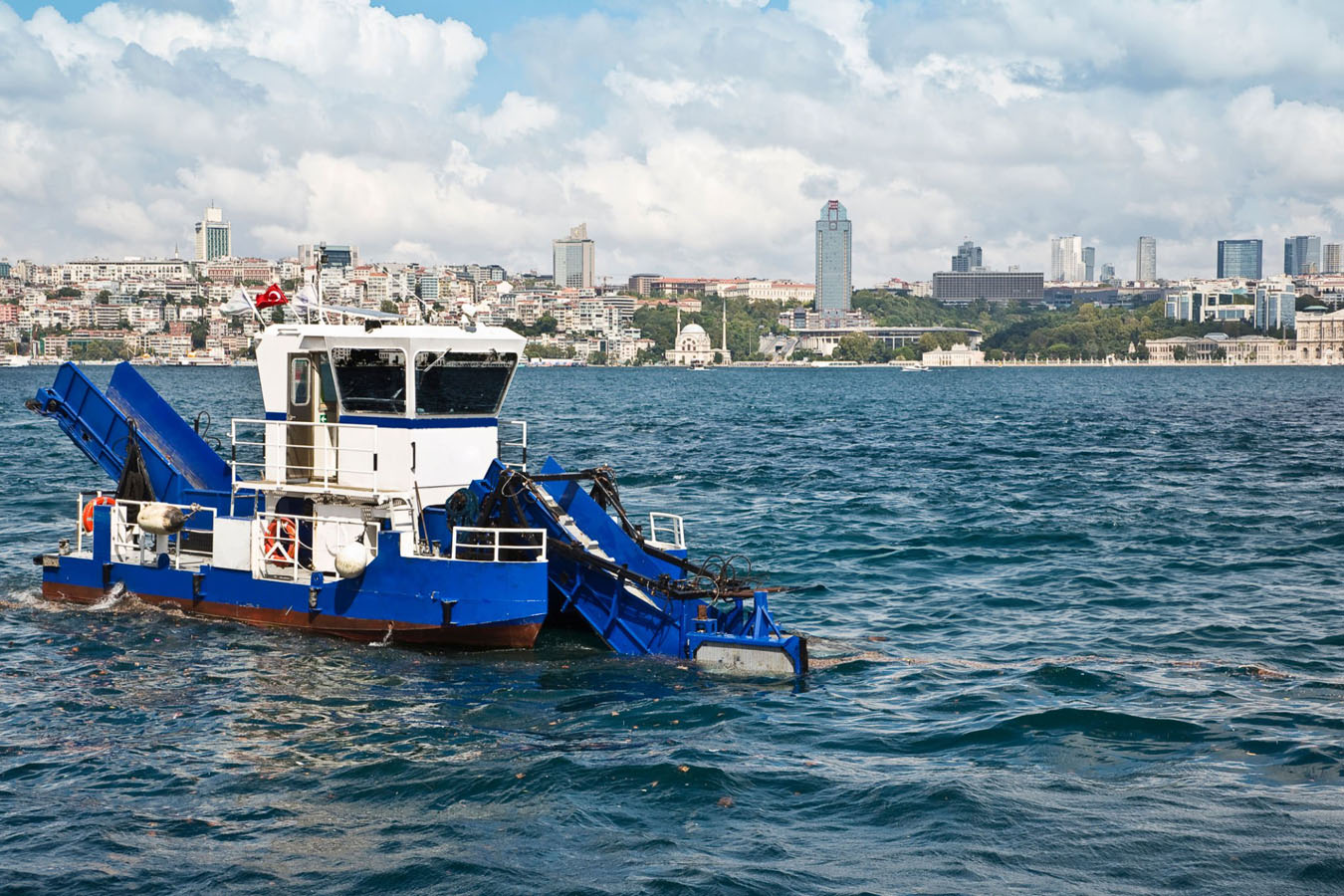
In addition to marine restoration, solar energy can play an important role in marine cleanup efforts, particularly in addressing the growing problem of plastic pollution in the oceans. Solar-powered autonomous drones and underwater vehicles offer an efficient and scalable solution for collecting plastic waste and other litter in the ocean. These technologies can be deployed over large areas of the ocean and operate continuously without the need for human intervention or refueling.
4.1. Drones And Autonomous Vehicles For Cleanup Operations
Solar-powered drones and autonomous underwater vehicles (AUVs) have emerged as promising technologies for marine cleanup operations. These machines are equipped with solar panels that allow them to operate autonomously for long periods of time. Drones can be programmed to fly over targeted areas to detect and collect plastic waste on the ocean surface, while AUVs can dive deep into the water column to collect underwater waste. These systems can be used in conjunction with floating collection platforms where collected waste can be sorted, compacted and transported to recycling facilities.
A notable project using solar-powered drones is Ocean Cleanup, which has developed a fleet of autonomous ships equipped with nets to capture plastic waste. These ships are solar-powered and can operate in remote areas of the ocean where traditional cleanup methods are not feasible. By using solar energy, these systems can operate continuously, reducing the overall cost and environmental impact of the cleanup process.
4.2. Solar Powered Floating Platforms for Waste Collection
Solar-powered floating platforms are another innovative solution for marine clean-ups. These platforms can be deployed to collect and store garbage in areas with high concentrations of plastic waste, such as the Great Pacific Garbage Patch. Equipped with solar panels, these platforms can power robotic arms, conveyor belts and compactors to process the waste and prepare it for transportation to shore.
In addition to collecting plastic waste, the solar-powered platforms could also be used as monitoring stations, providing real-time data on ocean health and pollution levels. By integrating sensors and cameras into these platforms, researchers can track the movement of plastic waste, monitor the effectiveness of cleanup efforts and identify new areas that need attention. Solar-powered platforms offer a sustainable, low-cost solution to the growing problem of ocean pollution, while contributing to broader efforts to restore and protect marine ecosystems.
4.3. Oxygen Production Through Electrolysis
Producing oxygen from seawater through electrolysis using solar energy could play an important role in solving fish kills and other ecosystem problems by increasing oxygen levels on the seafloor. This technology produces oxygen and hydrogen by electrolyzing water with energy from solar panels. The oxygen is released onto the seabed, helping to keep marine life healthy in areas with low oxygen levels. In areas such as Izmir Bay, where fish deaths have occurred due to low oxygen levels, it may be possible to restore the natural balance by applying this method. In addition to existing marine cleaning systems, these solar-powered electrolysis devices can protect the health of marine ecosystems by continuously increasing oxygen levels.
Oxygen production through electrolysis is a process that splits water into oxygen and hydrogen gases using electrical energy. With solar energy, this process can be made more environmentally friendly and sustainable. It is a particularly effective method for preventing low oxygen levels (hypoxia) on the seabed and supporting marine life. Through solar-powered floating platforms, the electrolysis process can take place on the sea surface and the oxygen produced can be delivered directly to the seabed. This method can be used to prevent fish kills and ecosystem degradation.
The cost-effectiveness of solar electrolysis can be greatly enhanced by the electricity provided using solar panels. Solar energy is abundant on the sea surface, which can keep costs low. Also, more affordable materials can be chosen for the electrodes used in the electrolysis process. Materials such as nickel, iron or cobalt offer an economical solution for large-scale applications, reducing the cost of the system while maintaining efficiency.
Titanium, on the other hand, is an ideal material for electrolysis that does not rust and does not need to be replaced. Titanium has high resistance to seawater and harsh environments, is corrosion resistant and can be used for a long time without replacement. Furthermore, titanium electrodes coated with titanium oxide increase the efficiency of the electrolysis process and ensure an even longer service life of the material. These properties make titanium one of the most durable and sustainable options for electrolysis.
Titanium is generally not harmful to seawater because it is highly resistant to corrosion and does not rust. However, when titanium electrodes are used in seawater, they can produce oxygen and chlorine gas. Chlorine gas can harm the marine ecosystem if formed in excessive quantities. However, this risk can be minimized in controlled and optimized electrolysis systems.
Furthermore, very low levels of dissolution of ions from titanium do not cause significant harm to seawater because such metals are generally non-toxic. Nevertheless, the chemical by-products produced in any electrolysis system need to be regularly monitored and controlled. In this way, negative impacts on the marine ecosystem can be prevented.
Oxygen produced by electrolysis can be directed to the seabed, improving ecosystem health, especially in oxygen-deficient areas such as Izmir Bay. While oxygen deficiency has devastating effects on marine life, the application of this method can help protect fish populations and restore sensitive ecosystems such as seagrass meadows. This is an effective way to improve water quality and restore the healthy functioning of ecosystems.
In terms of cost, the use of solar energy makes electrolysis systems more sustainable in the long term. The fact that solar energy is an unlimited and free resource facilitates applicability, especially over large areas of sea surface. While initial costs require investment in solar panels and electrolysis systems, they pay for themselves in the long run with low operating costs. This innovative approach can make significant contributions to marine cleanup and restoration efforts.
4.4. Solar Powered Filtration Systems
Solar-powered filtration systems can help achieve clean water by filtering microplastics and harmful chemicals from seawater. By providing energy through solar panels, these systems can sustain the seawater filtration process and ensure uninterrupted cleaning operations even in remote areas of the ocean. The clean water obtained during the filtration process can contribute to the recovery of ecosystems, especially in areas with poor water quality.
4.5. Solar Powered Artificial Reef And Ecosystem Restoration
Solar energy can be used not only for cleaning but also for the regeneration of marine ecosystems. Solar-powered artificial reefs and seagrass planting systems can help restore ecosystems by promoting marine life. Equipped with underwater cameras and sensors, solar-powered systems can continuously monitor the health of reefs and plantations and provide data to researchers.
These innovative technologies expand the scope of marine cleanup and restoration efforts, proving that solar energy is a sustainable and ecologically viable solution.
5. Community Engagement and Education Initiatives
In order to maximize the impact of solar-powered marine restoration and sea cleanup efforts, it is essential to engage local communities and raise awareness about the importance of these initiatives. Public participation plays a critical role in ensuring the success of marine restoration projects, as local communities are often the most affected by the degradation of marine ecosystems.
5.1. Importance of Public Awareness in Marine Conservation
Raising public awareness about marine conservation is essential to fostering a sense of responsibility and encouraging positive action. Public education campaigns can help individuals understand the impact of marine pollution on their local environment and encourage them to take part in cleanup and restoration efforts. School programs, workshops, and community events can be organized to educate people about the benefits of solar-powered marine restoration technologies and the importance of protecting marine ecosystems.
Local governments and non-governmental organizations (NGOs) can also play a key role in promoting community engagement. By involving local stakeholders in the planning and execution of marine restoration projects, communities can take ownership of these efforts and ensure their long-term success. Additionally, involving local fishermen, tourism operators, and other coastal industries in cleanup initiatives can help create a sense of shared responsibility for maintaining healthy marine ecosystems.
5.2. Educational Programs for Sustainable Practices
Educational programs are a critical component of any successful marine restoration or sea cleanup initiative. These programs can be designed to teach individuals about the importance of marine ecosystems, the threats they face, and the steps that can be taken to protect them. Workshops on sustainable fishing practices, waste management, and the use of renewable energy technologies, such as solar power, can help communities adopt more eco-friendly behaviors and reduce their impact on the marine environment.
Moreover, educational programs can focus on the technical aspects of solar-powered technologies, providing hands-on training for individuals interested in pursuing careers in marine conservation or renewable energy. By equipping people with the knowledge and skills needed to implement solar-powered restoration and cleanup efforts, these programs can help ensure the long-term success of these initiatives while also fostering a new generation of environmentally-conscious professionals.
6. Policy and Regulatory Frameworks for Solar Energy in Marine Conservation
The successful integration of solar energy into marine restoration and sea cleanup efforts depends on supportive policy and regulatory frameworks. Governments, international organizations, and environmental agencies must work together to establish guidelines that facilitate the deployment of solar-powered technologies in marine environments. These frameworks must address issues related to marine resource management, environmental protection, and renewable energy development, ensuring that solar-powered initiatives are both effective and sustainable.
6.1. International Agreements and Conventions
Several international agreements and conventions provide the foundation for policies related to marine conservation and the use of renewable energy technologies like solar power. The United Nations Convention on the Law of the Sea (UNCLOS) plays a key role in setting guidelines for the sustainable use and protection of marine environments. This convention encourages nations to prevent pollution of the oceans and promote the responsible use of marine resources, including renewable energy.
In addition to UNCLOS, agreements like the Paris Agreement on climate change highlight the importance of reducing carbon emissions and transitioning to renewable energy sources, such as solar power, to mitigate the effects of climate change on marine ecosystems. These international frameworks create a foundation for the development of policies that support the integration of solar energy into marine restoration efforts, encouraging countries to invest in clean energy solutions and collaborate on global marine conservation initiatives.
6.2. National Policies Supporting Solar Energy in Marine Cleanup
At the national level, many governments have begun to implement policies that support the use of solar energy for marine restoration and cleanup efforts. These policies often include financial incentives, such as tax breaks or subsidies for renewable energy projects, as well as regulatory frameworks that streamline the permitting process for deploying solar-powered technologies in marine environments.
For example, the European Union’s Blue Growth strategy promotes the sustainable development of marine and maritime sectors by encouraging the use of renewable energy sources like solar power. Similarly, in the United States, the National Oceanic and Atmospheric Administration (NOAA) has introduced programs that support research and development of renewable energy technologies for marine conservation purposes.
By implementing policies that prioritize renewable energy and environmental protection, governments can create an enabling environment for the growth of solar-powered marine restoration and cleanup initiatives. This, in turn, helps protect marine ecosystems while advancing global efforts to combat climate change.
7. Economic Viability and Cost-Benefit Analysis
One of the key considerations for any large-scale environmental initiative is the economic viability of the project. Solar-powered marine restoration and sea cleanup projects, though sustainable, often require significant upfront investments. However, these costs can be offset by the long-term benefits that these projects provide, both in terms of environmental restoration and economic opportunities.
7.1. Financial Incentives for Solar-Powered Cleanup Projects
To encourage the adoption of solar-powered technologies for marine restoration and sea cleanup, governments and international organizations often offer financial incentives to project developers. These incentives may include grants, loans, tax credits, or subsidies aimed at reducing the financial burden of implementing solar energy solutions.
For example, the European Union’s Horizon 2020 program offers funding for renewable energy projects, including those focused on marine environments. Similarly, the United States Department of Energy provides grants and loans to support research and development of clean energy technologies, including solar-powered solutions for marine restoration. These financial incentives play a crucial role in making solar-powered projects more economically feasible, encouraging private and public sector investment in marine conservation efforts.
7.2. Comparative Analysis of Costs vs. Benefits
While the initial costs of solar-powered marine restoration and sea cleanup projects may be high, the long-term benefits often outweigh these expenses. Solar energy is a cost-effective and sustainable power source, meaning that once solar panels and other equipment are installed, the ongoing operational costs are relatively low. Additionally, solar-powered systems can operate autonomously, reducing the need for labor and other resources.
The environmental benefits of solar-powered marine restoration are also significant. By helping to restore and protect marine ecosystems, these projects contribute to the preservation of biodiversity, the reduction of plastic pollution, and the mitigation of climate change impacts. Healthy marine ecosystems provide essential services, such as carbon sequestration, food security, and coastal protection, which have direct economic value.
When conducting a cost-benefit analysis, it becomes clear that the long-term environmental and economic benefits of solar-powered marine restoration and cleanup projects justify the initial investment. Moreover, as solar technology continues to advance and costs decrease, these projects are likely to become even more financially viable.
8. Future Prospects and Emerging Trends
The future of solar-powered marine restoration and sea cleanup is promising, with new technologies and trends emerging that will further enhance the efficiency and effectiveness of these efforts. As solar technology continues to evolve, so too will the potential applications in marine environments.
8.1. Innovations in Solar Technologies for Marine Applications
Recent advancements in solar technology, such as flexible solar panels and floating solar farms, offer exciting new possibilities for marine restoration projects. Flexible solar panels, for instance, can be mounted on a wide variety of surfaces, including buoys, drones, and autonomous vehicles, making it easier to integrate solar energy into marine environments.
Floating solar farms, which consist of solar panels mounted on platforms that float on the surface of the water, are another emerging trend. These solar farms can generate large amounts of clean energy while taking up minimal space on land. In marine environments, floating solar farms can power a variety of restoration and cleanup efforts, from coral reef restoration to the removal of plastic waste from the ocean.
In addition to these innovations, advances in battery storage technology are making it possible to store solar energy for use during periods of low sunlight. This is particularly important for marine restoration projects, where consistent power is needed to operate equipment and monitor ecosystems over long periods.
8.2. Collaborative Research and Development Initiatives
Collaboration between researchers, governments, and private sector organizations is essential for advancing the use of solar energy in marine restoration. By working together, these stakeholders can pool resources, share knowledge, and develop new technologies that address the unique challenges of marine environments.
Several international initiatives are already underway to promote collaboration in this field. For example, the Global Ocean Alliance brings together countries and organizations to advance marine protection and restoration efforts, with a focus on innovative technologies such as solar power. Similarly, the United Nations Decade of Ocean Science for Sustainable Development (2021-2030) encourages the use of science and technology to address the pressing issues facing the world’s oceans, including the development of renewable energy solutions.
Through continued research and collaboration, the integration of solar energy into marine restoration efforts will become more efficient, scalable, and accessible, helping to protect marine ecosystems and combat climate change for future generations.
9. Environmental and Social Impact of Solar-Powered Marine Restoration Projects
Solar-powered marine restoration and sea cleanup projects have far-reaching environmental and social impacts. By leveraging renewable energy to address marine pollution, habitat degradation, and biodiversity loss, these projects help to restore ecosystems that are essential to human survival and well-being. Additionally, the use of solar energy contributes to the reduction of greenhouse gas emissions, further mitigating the effects of climate change on both land and sea.
9.1. Environmental Impact
The primary environmental benefit of using solar-powered technologies in marine restoration is the reduction of fossil fuel use and associated emissions. Solar energy is a clean, renewable resource that does not produce harmful pollutants or greenhouse gases. This makes it an ideal power source for marine restoration projects, as it reduces the carbon footprint of operations while supporting ecosystem recovery.
Restoring marine ecosystems has a cascading effect on the environment. Healthy ecosystems, such as coral reefs, mangroves, and seagrass beds, serve as carbon sinks, capturing and storing significant amounts of carbon dioxide from the atmosphere. They also play a critical role in protecting coastlines from storm surges and erosion, promoting biodiversity, and supporting marine life, which is crucial for fisheries and food security.
Moreover, removing plastic waste and other pollutants from the sea through solar-powered cleanup initiatives helps reduce the harmful effects of pollution on marine species. Plastic pollution, in particular, poses a severe threat to marine life, as animals can ingest or become entangled in debris. By addressing these issues, solar-powered projects contribute to the overall health of the oceans and the planet.
9.2. Social and Economic Impact
In addition to its environmental benefits, solar-powered marine restoration has significant social and economic impacts. Healthy marine ecosystems provide critical services that support the livelihoods of millions of people worldwide. Fisheries, tourism, and coastal protection are just a few of the industries that depend on thriving marine environments.
By investing in solar-powered restoration projects, coastal communities can create new job opportunities and economic growth in the renewable energy and environmental conservation sectors. Furthermore, as these technologies become more widespread, they can help to alleviate energy poverty in developing regions, providing clean and reliable power to areas that lack access to traditional energy sources.
Public engagement and education are also important aspects of solar-powered marine restoration. Raising awareness about the importance of marine ecosystems and the benefits of renewable energy can foster a sense of stewardship among communities and encourage more sustainable practices. By involving local communities in restoration efforts, these projects can help build resilience and promote long-term environmental and social sustainability.
10. Conclusion: The Future of Solar Energy in Marine Restoration and Cleanup
The integration of solar energy into marine restoration and sea cleanup efforts represents a powerful tool for addressing the complex environmental challenges facing the world’s oceans. As solar technology continues to advance and costs decrease, the potential for these projects to make a significant impact grows. By harnessing the sun’s abundant energy, we can power autonomous vehicles, drones, and other technologies that contribute to the restoration of marine ecosystems and the cleanup of polluted waters.
While there are still challenges to overcome, such as securing funding and navigating regulatory frameworks, the benefits of solar-powered marine restoration far outweigh the costs. These projects not only help to preserve biodiversity and combat climate change but also create economic opportunities and improve the livelihoods of coastal communities.
Looking forward, the continued development of innovative solar technologies and collaborative research initiatives will be key to the success of marine restoration efforts. By embracing renewable energy solutions and prioritizing the health of our oceans, we can ensure a sustainable future for both people and the planet. Solar energy has the potential to be a driving force in this movement, lighting the way toward a cleaner, healthier marine environment.
11. Technological Advancements Driving Solar-Powered Marine Restoration
The rapid development of solar technology has been instrumental in advancing marine restoration efforts. Innovative solutions, such as solar-powered drones, floating platforms, and autonomous vehicles, are redefining how we tackle the degradation of marine ecosystems. These technological advancements are making it easier to restore the health of the oceans in a sustainable, scalable, and cost-effective way.
11.1. Autonomous Solar-Powered Vehicles
Autonomous solar-powered vehicles are one of the most promising technologies in the realm of marine restoration and sea cleanup. These unmanned vessels can navigate the seas independently, powered entirely by solar energy. They are equipped with sensors and cameras to monitor the health of marine ecosystems, collect data, and detect areas affected by pollution or degradation.
In addition to monitoring, these vehicles are capable of collecting plastic waste and other pollutants from the surface of the water. Because they are solar-powered, these machines can operate for extended periods without the need for refueling or maintenance, making them ideal for long-term marine restoration projects. Their versatility and efficiency make them a critical tool in combating pollution and restoring marine biodiversity.
11.2. Solar-Powered Floating Platforms
Floating platforms powered by solar energy are another groundbreaking development. These platforms serve as a base for various restoration activities, including waste collection, water filtration, and habitat restoration. Solar panels mounted on the platforms generate electricity to power all onboard equipment, from pumps and filtration systems to lighting and navigation tools.
In some cases, these platforms can be used to deploy artificial reefs or seagrass beds, providing a habitat for marine species and helping to restore ecological balance. Because they are mobile and autonomous, these platforms can be stationed in areas that are difficult to access or far from the coast, further expanding the scope of marine restoration efforts.
11.3. Solar-Integrated Drones for Sea Cleanup
Solar-powered drones are also playing an increasing role in sea cleanup and restoration. These drones can be deployed to survey large areas of the ocean, mapping pollution hotspots and identifying areas that require immediate intervention. Once the data is collected, autonomous cleanup operations can begin.
Drones equipped with solar panels are especially valuable for sea cleanup because they can cover vast distances without needing to recharge. They can operate in areas where traditional boats and ships would struggle to reach, such as remote coastal regions or open ocean environments. The flexibility and adaptability of solar drones make them indispensable in the fight against marine pollution.
12. Opportunities for Expanding Solar Energy Applications in Marine Ecosystems
The success of solar-powered technologies in marine restoration opens the door to even broader applications. As solar technology becomes more efficient and affordable, there are numerous opportunities to expand its use in marine ecosystems beyond restoration and cleanup.
12.1. Solar Desalination for Marine Habitats
Solar-powered desalination systems have the potential to play a key role in marine habitat restoration. Desalination is the process of removing salt from seawater to produce fresh water, which is vital for supporting life in coastal areas. In regions where freshwater resources are scarce or polluted, solar desalination units can be deployed to provide clean water for both human populations and coastal ecosystems.
By using solar energy to power desalination systems, we can minimize the environmental impact of extracting freshwater from the ocean, ensuring that marine habitats are not further disrupted. Solar desalination can also be integrated with restoration efforts, providing freshwater to support the growth of mangroves, seagrasses, and other critical marine species.
12.2. Solar-Powered Ocean Monitoring Networks
Another promising application of solar energy in marine ecosystems is the creation of ocean monitoring networks. These networks would consist of floating solar-powered buoys and platforms equipped with sensors to continuously monitor water quality, temperature, acidity levels, and other key indicators of marine health.
This real-time data would be invaluable for understanding how marine ecosystems are responding to restoration efforts and climate change. By using solar energy to power these monitoring devices, we can ensure that they operate continuously and without interruption, even in remote areas of the ocean.
12.3. Integrating Solar with Aquaculture and Marine Farming
Aquaculture, the practice of farming fish and other marine organisms, is another area where solar energy can be effectively integrated. Solar-powered systems can provide clean energy for fish farms, reducing reliance on fossil fuels and minimizing the environmental impact of these operations. Solar panels can also be used to power water filtration systems, ensuring that the water in aquaculture facilities remains clean and free from pollutants.
Moreover, integrating solar energy with marine farming can help to restore depleted fish populations and improve the sustainability of seafood production. By using renewable energy to power these systems, we can create more environmentally friendly and efficient marine farming practices.
13. Challenges and Future Directions for Solar-Powered Marine Restoration
While the potential for solar-powered marine restoration is vast, there are still several challenges that must be addressed to ensure the widespread adoption and success of these technologies.
13.1. Cost and Scalability
One of the primary challenges is the cost of implementing solar-powered technologies at scale. While the price of solar panels has decreased significantly over the past decade, large-scale marine restoration projects require substantial upfront investment. Additionally, the cost of maintaining solar-powered vehicles, drones, and platforms can be high, especially in harsh marine environments where equipment is exposed to saltwater and extreme weather conditions.
To overcome these challenges, governments, NGOs, and private companies must collaborate to provide funding and incentives for the development of solar-powered marine restoration projects. Scaling these technologies will also require continued advancements in solar efficiency and energy storage, ensuring that systems can operate reliably in diverse marine conditions.
13.2. Environmental Impact of Solar Installations
Another concern is the potential environmental impact of installing solar panels and other infrastructure in marine environments. While solar energy itself is a clean and renewable resource, the installation of large solar arrays on floating platforms or along coastlines can disrupt local ecosystems. Careful planning and environmental assessments are needed to ensure that solar installations do not harm sensitive marine habitats or species.
13.3. Technological Advancements and Research
Continued research and technological innovation are critical to the future of solar-powered marine restoration. Advances in solar efficiency, energy storage, and autonomous systems will make it possible to develop more robust and versatile technologies that can operate in a wide range of marine environments.
Research into the environmental impact of solar-powered restoration efforts is also essential. Understanding how these technologies affect marine ecosystems, both positively and negatively, will help guide future development and ensure that restoration efforts are sustainable and environmentally sound.
14. Conclusion: Embracing Solar Energy for a Sustainable Marine Future
Solar-powered marine restoration and sea cleanup represent a crucial step toward preserving and restoring the health of our oceans. By harnessing the power of the sun, we can develop sustainable solutions to combat pollution, protect marine biodiversity, and address the growing challenges posed by climate change.
As technological advancements continue to improve the efficiency and cost-effectiveness of solar energy, the potential for these projects to make a meaningful impact on marine ecosystems is immense. Governments, organizations, and individuals must work together to support the development and implementation of solar-powered technologies in marine restoration, ensuring a cleaner, healthier, and more sustainable future for the world's oceans.
By embracing solar energy and its applications in marine restoration, we can take a proactive approach to safeguarding our planet’s most vital ecosystems and ensuring that future generations can enjoy the many benefits that healthy oceans provide.